Tag: moving to america experience

  • When School Starts to Feel Like HR (An Aussie Perspective)

    When School Starts to Feel Like HR (An Aussie Perspective)

    This week, something happened that made me pause.

    Not because it was dramatic.
    And not because anyone had done anything wrong.

    It was just… one of those moments where two different systems quietly collided.


    The Email

    Earlier this week, I received an email from Georgia’s school.

    The subject line was about attendance.

    Apparently, she’s had five unexcused absences this year—and because of that, I now have to attend a meeting with the principal and the school counsellor.

    The interesting part is… I don’t actually know what the five absences are yet.

    That comes later. In a letter. From the state.

    The email itself didn’t explain anything. It just said we’d crossed a threshold—and now a conversation needs to happen.

    And when I read it, my first reaction wasn’t confusion.

    It was recognition.


    I Knew This System Immediately

    I spent 25 years working in banking.

    And almost instantly, I knew exactly what I was looking at.

    This wasn’t really a school system.

    It was an HR system.

    Track the events.
    Log them.
    Wait for the threshold.

    Then trigger the process.

    • Informal conversation
    • Formal conversation
    • Documentation

    Except this time… the “employee” is ten years old.

    And if you’ve ever worked inside structured systems like that, you’ll recognise the feeling straight away — that moment where you stop and go, ah… I know exactly how this is going to play out.

    This Is Something I’ve Noticed More Over Time

    This wasn’t the first time I’d had that feeling.

    It’s something I’ve noticed more and more the longer I’ve lived in America — the way everyday situations are quietly shaped by systems underneath.

    Because it’s the same underlying pattern — structure first, human interpretation second.

    If you’ve seen that video, you’ll recognise it here too.


    What Actually Counts as “Absent”?

    Now I do know a couple of the days they’re probably referring to.

    One of them was when I picked Georgia up early so we could drive five hours to a dance competition.

    If you’re a dance parent, you’ll recognise that rhythm immediately.

    Long drives. Early starts. Costumes packed the night before.

    If you’re in that world, this is actually one of the best things we’ve ended up relying on for comp weekends:

    Because none of that fits neatly into a school system.

    But the system doesn’t see any of that.

    That absence wasn’t excused.


    The Five-Minute Absence

    Another one?

    She arrived about five minutes late one morning.

    At her school, if you’re late, you don’t just walk into class—you check in through the front office.

    And once that happens…

    It’s logged.

    Now that five-minute delay sits in the same column as a full-day absence.

    Not because it’s the same thing.

    But because the system records entries—not meaning.


    Where It Starts to Feel… Mechanical

    And this is the part that stood out.

    The system isn’t designed to interpret context.

    It’s designed to record events.

    • Late arrival → logged
    • Early departure → logged
    • Absence → logged

    Once the number hits a certain point…

    The process activates.

    That’s when the email arrives.

    That’s when the meeting gets scheduled.

    And suddenly something that feels like normal life…

    Feels procedural.


    I’ve Seen This Before — In a Completely Different Way

    Earlier this year, I applied for a role with Child Protective Services.

    It was something I genuinely felt drawn to.

    After years in banking — dealing with fraud, scams, and vulnerable customers — it felt like a natural extension of that work.

    The idea of helping protect children felt meaningful.

    I went through the process.

    And I was offered the job.

    But there was one problem.

    I don’t have a university degree.


    When Systems Ask a Different Question

    It didn’t matter what I’d done.

    It didn’t matter the experience.

    Because the system wasn’t asking:

    “What has he done?”

    It was asking:

    “What box does he tick?”

    And once again…

    I recognised the structure immediately.


    This Is What Living Between Systems Feels Like

    This is something that becomes clearer the longer you live between countries.

    Not the obvious differences.

    The subtle ones.

    Because this is exactly what that feels like.

    Not big cultural shocks.

    Just small, revealing moments.


    It’s Not About Right or Wrong

    To be fair—these systems exist for good reasons.

    Schools need to track attendance.

    There are real situations where children are missing school for serious reasons.

    Structure helps identify those situations.

    The same way hiring requirements create consistency.

    It’s not broken.

    It’s just… structured.


    But It Creates These Moments

    Because every now and then…

    The system and real life don’t quite line up.

    A five-hour drive to a dance competition becomes an attendance issue.

    A five-minute delay becomes an absence.

    And normal life starts to feel like it’s being processed.


    If You’ve Noticed This Too

    This is one of those patterns that keeps showing up in different ways.

    👉 You’ll see the same idea here:
    American Goodbyes

    👉 And here:
    American Politness

    Different situations.

    Same underlying structure.


    A Quick Note

    If you enjoy these kinds of reflections — the small, in-between moments that don’t usually get talked about —

    you can support the channel here:

    👉 https://buymeacoffee.com/fromdownundertodownsouth


    One of Those “Ah… I See” Moments

    Nothing dramatic happened this week.

    No one got in trouble.

    It was just the system…

    Doing exactly what it was designed to do.

    Recording events.
    Triggering processes.
    Asking for a conversation.

    And every now and then—

    You see that system clearly enough…

    That it makes you stop.

    And think.


    👉 If you prefer listening instead of reading, the full podcast lives here:
    https://fromdownundertodownsouth.com/listen/


  • This Week in America — The First Signs of Spring

    This Week in America — The First Signs of Spring

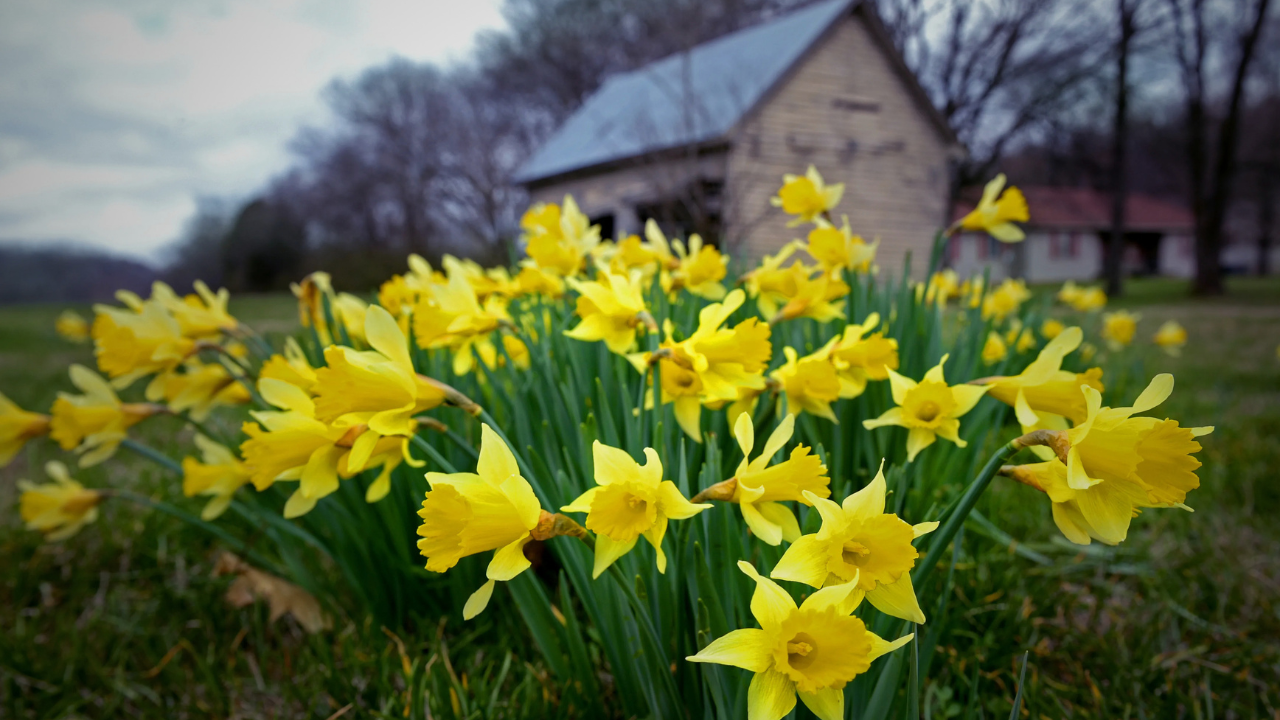
    Spring doesn’t arrive all at once in Tennessee.

    It doesn’t flip like a switch.

    It shows up in small signals…
    little things you start noticing around you.

    And when you’ve lived somewhere long enough, you begin to recognise them.

    Every place has its own rhythm to the year.
    Spring in the American South definitely has one.

    And this week, for me, it started with something I’d never done before.


    Reading to a Classroom in America

    This week, I walked into a classroom full of first graders and read them a book.

    Now I’ve spoken to adults plenty of times—through work, through videos—but for some reason…

    a room full of seven-year-olds?

    That felt different.

    I brought in an Australian classic:
    👉 Diary of a Wombat by Jackie French

    If you’ve never read Diary of a Wombat, it’s worth it—simple, funny, very Australian.


    A Small Cultural Detail You Notice Immediately

    Before even getting to the classroom, there’s something that stands out in American schools.

    Security.

    You don’t just walk in—you buzz through a locked front door.
    It’s structured, controlled, visible.

    That’s one of those subtle differences you don’t fully grasp until you’re living here.

    An Aussie Expat’s Take on Culture Shock, Identity & Life in America


    Bringing Australia Into the Room

    Once I started reading, something shifted.

    The nerves disappeared.

    The kids were locked in.

    Afterwards, we started talking about Australia:

    • Kangaroos
    • Wombats
    • Koalas

    And then came the questions:

    • “Do kangaroos really jump everywhere?”
    • “Do wombats live in backyards?”
    • “Do you have bears?”

    (I had to reassure them… no bears. But then I mentioned snakes and spiders—which probably didn’t help.)


    What Kids Notice (and What They Don’t)

    Here’s what stayed with me:

    Not one child mentioned my accent.

    Adults always do.
    It’s usually the first thing they say.

    But kids?

    They didn’t care.

    They were interested in:

    • the story
    • the animals
    • the idea of somewhere different

    That kind of openness… it’s refreshing.


    The First Real Sign of Spring in Tennessee

    Moments like that made me realise something else:

    Spring had arrived.

    But not in a big obvious way.

    In signals.


    1. The Pollen (You’ll Know It When You See It)

    If you live in Tennessee, spring announces itself in one very specific way:

    Pollen.

    Cars turn yellow.
    People sneeze constantly.
    And you hear the same phrase everywhere:

    “Pollen’s bad today.”

    Back in Australia, we have hay fever…
    but this feels like a shared seasonal event.


    2. The Sound of Pressure Washers

    Then come the pressure washers.

    You hear them everywhere.

    Decks.
    Driveways.
    Siding.

    Winter leaves this layer of grime—and spring is when everyone decides to remove it.

    It becomes background noise for a few weeks.

    If you live in the South, you’ll understand why everyone owns one of these. 👉Home Pressure Washer


    3. Spring Break (It’s Actually Real)

    Growing up in Australia, Spring Break felt like a movie concept.

    But it’s real.

    Colleges empty out.
    Flights fill up.
    Students head south.

    It’s a seasonal migration.


    4. The Summer Camp Ecosystem

    This one surprised me when we first moved here.

    Summer camps are… everywhere.

    • sports
    • dance
    • science
    • church
    • outdoor adventure

    And they’re booked months in advance.

    This week we’ve been organising:

    • Georgia’s dance camps
    • Brianna’s options (art, music, taekwondo)

    👉 Dance Competitions in America: When the Show Becomes the Focus


    5. Evenings Start to Change

    Then something shifts in the evenings.

    You walk outside…

    and you notice it.

    Every house has fairy lights.

    People are outside again:

    • grilling
    • talking
    • sitting

    You don’t always see them…

    but you see the lights.

    And you know they’re there.

    I see these grills in every second backyard here – Weber-style Grill


    6. The Moment That Still Feels Like Magic

    And then comes the moment that still gets me every year.

    Fireflies.

    Growing up in Australia, they felt like something from movies.

    But they’re real.

    You walk outside…
    and there they are.

    Small flashes of light drifting through the yard.

    Not constant.
    Just blinking.

    The first time I saw them, I just stood there.

    Watching.

    It’s one of those moments that reminds you:

    The world is bigger than where you grew up.


    What Living Overseas Teaches You About Seasons

    👉Living in America Changes You More Than You Realise

    Living overseas teaches you something about seasons.

    They’re not just weather.

    They’re rhythms.

    Patterns of life.

    • school events
    • neighbourhood sounds
    • shared habits

    The Quiet Realisation

    This week, it looked like:

    • reading to a classroom
    • hearing pressure washers
    • booking summer camps
    • standing on the deck at sunset
    • watching fireflies drift through the yard

    And somewhere in all of that…

    you realise something quietly:

    You’re learning the rhythm of another place.

    And in some way…

    it’s starting to feel like home.


    Support & Explore More

    If you’ve been enjoying these stories, you can explore more here:

    You can find audio versions of this article and more on the Listen page.

    ☕ Support my work by Buying Me a Coffee from the below link.
    https://buymeacoffee.com/fromdownundertodownsouth